There is a rhythm to the way we set a table when no one is watching. A choreography our hands seem to know before our minds catch up. The plates rest exactly where they always have, the glasses sit just so and the folded napkin recalls not just etiquette but inheritance.
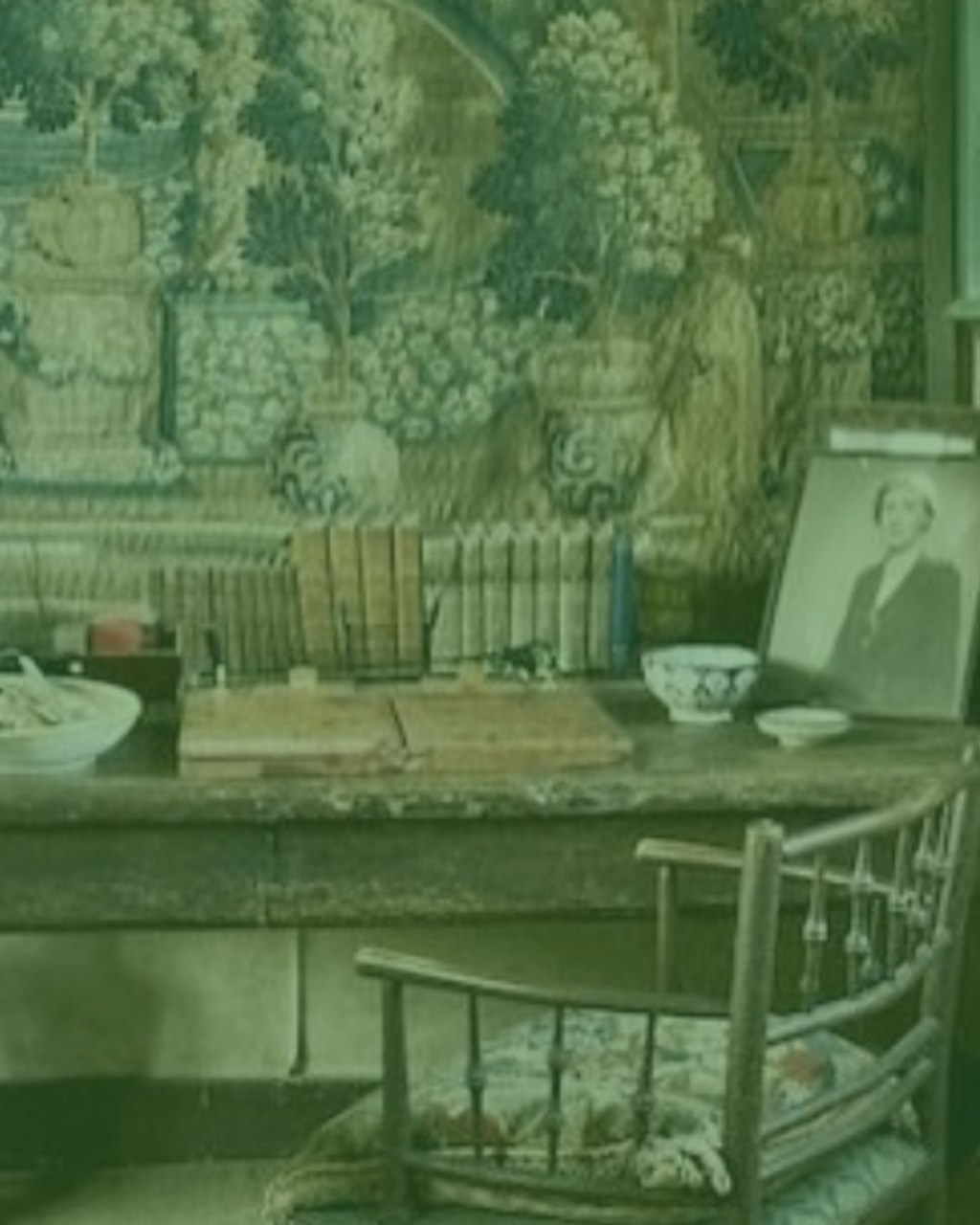
I thought of this recently while rereading Vita & Virginia by Sarah Gristwood- Woolf’s rooms, her domestic landscapes, her attention to the overlooked rituals of daily life. In To the Lighthouse, a meal is never just a meal. The table becomes a stage, each place setting a point of light in the fragile constellation of family and time. The dinner scene is not background; it is the heartbeat of the novel.
Domestic rituals like setting the table are not trivial. They are memory-work. To place the fork where it has always gone is to summon mothers, grandmothers, and all the women who shaped space before us. It is also to resist forgetting – to insist that the soft gestures of care matter, even when history prefers to chronicle battles, governments and “great men.”
For Woolf, the table was both a site of service and subversion. Women were expected to lay it, clear it, smooth the cloth and bring order to the meal. She saw in these rituals a texture of life ignored by men’s literature and therefore worthy of art. To write about a dinner was to insist on its weight in the human story.
The small ceremony of choosing a plate, cutting a flower for the centrepiece, or even lighting a candle for an ordinary Tuesday – these are acts of continuity. They are not about perfection but about presence. They remind us that rituals are a kind of resistance. A refusal to live only in efficiency, to acknowledge instead the beauty of repetition, of domestic life elevated to art.
Perhaps that is the lesson Woolf leaves us – that memory and ritual, domesticity and imagination, belong not at the margins but at the centre of how we narrate ourselves. A table laid by hand is a kind of text. And to sit at it is to enter the story.
 Rooms of our own
Leave a comment